Welcome to
Biltmore Forest
The Asheville area's most prestigious address, bordering the historic Biltmore Estate.
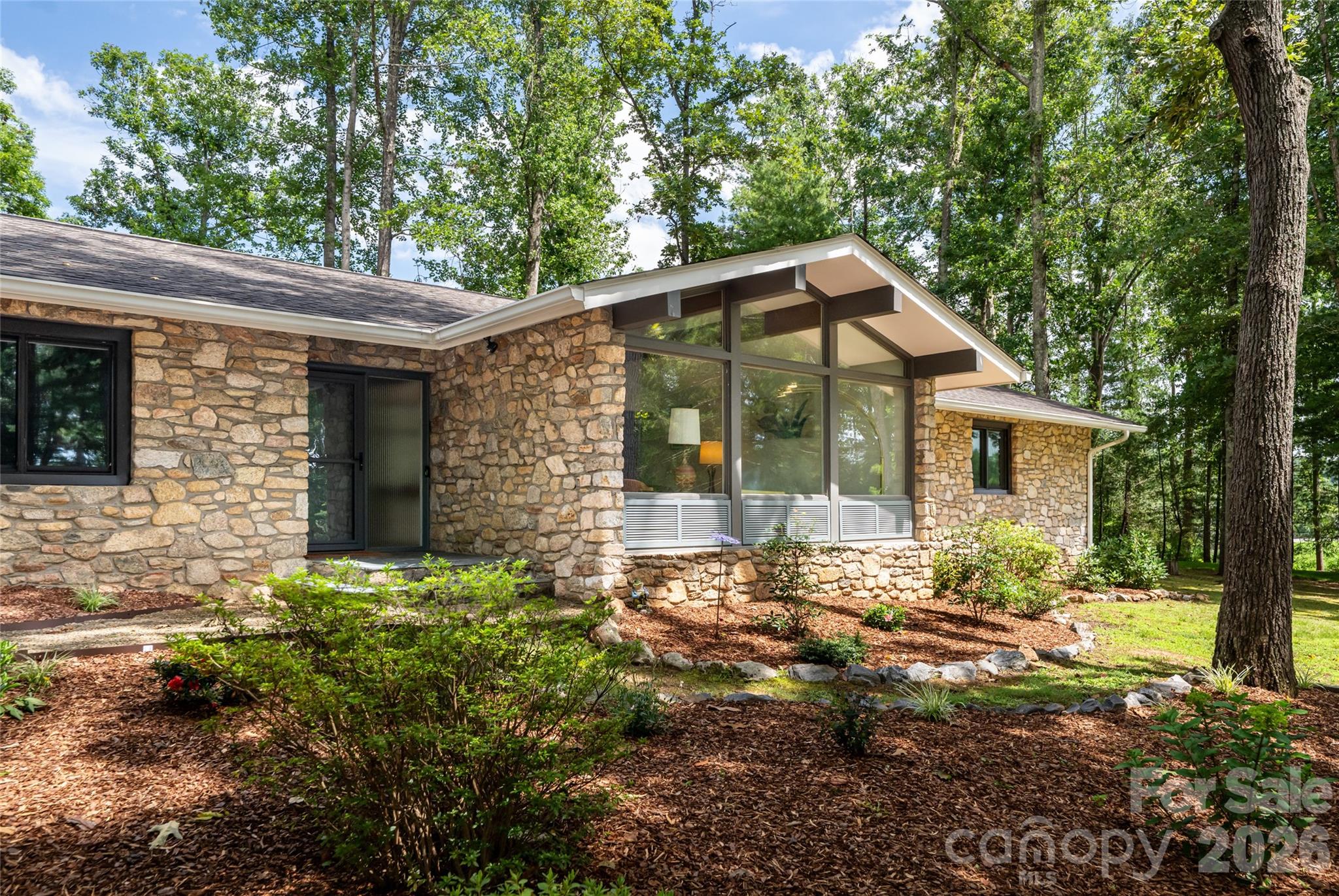
Biltmore Forest is the most prestigious address in the Asheville area, a distinguished incorporated town bordering the historic Biltmore Estate. Developed in the early 1900s on land once part of the Vanderbilt estate, it's known for grand homes, mature landscaping, winding tree-canopied streets, and a private country club at its heart. Residents enjoy exceptional privacy and beauty just minutes from downtown Asheville's restaurants, galleries, and cultural attractions, along with easy access to the Blue Ridge Parkway. Homes range from stately historic estates to refined newer residences, all on generous, wooded lots. Biltmore Forest consistently commands the region's highest values thanks to its limited size, storied history, and unmatched setting. If you're looking for elegance, privacy, and one of Western North Carolina's most distinguished addresses, with the culture of Asheville right next door, Biltmore Forest is the mountains at their most refined.
1,536 people live in Biltmore Forest, where the median age is 52.1 and the average individual income is $117,447. Data provided by the U.S. Census Bureau.
Total Population
Median Age
Population Density
Average individual Income
There's plenty to do around Biltmore Forest, including shopping, dining, nightlife, parks, and more. Data provided by Walk Score and Yelp.
Explore popular things to do in the area, including Pro Skills Basketball, and Biltmore Volleyball Academy.
| Name | Category | Distance | Reviews |
Ratings by
Yelp
|
|---|---|---|---|---|
| Active | 0.97 miles | 0 reviews | 0/5 stars | |
| Active | 0.97 miles | 0 reviews | 0/5 stars | |
|
|
||||
|
|
||||
|
|
||||
|
|
||||
|
|
||||
|
|
Biltmore Forest has 570 households, with an average household size of 2.69. Data provided by the U.S. Census Bureau. Here’s what the people living in Biltmore Forest do for work — and how long it takes them to get there. Data provided by the U.S. Census Bureau. 1,536 people call Biltmore Forest home. The population density is 528 and the largest age group is Data provided by the U.S. Census Bureau.
Total Population
Population Density Population Density This is the number of people per square mile in a neighborhood.
Median Age
Men vs Women
Population by Age Group
0-9 Years
10-17 Years
18-24 Years
25-64 Years
65-74 Years
75+ Years
Education Level
Total Households
Average Household Size
Average individual Income
Households with Children
With Children:
Without Children:
Blue vs White Collar Workers
Blue Collar:
White Collar:
2901 Coltsgate Rd Charlotte, NC 28211
2901 Coltsgate Rd Charlotte, NC 28211